

Executive Summary
On July 28, 2026, the Federal Communications Commission (FCC) updated its “Covered List” to include all foreign-produced power inverters and advanced robotic devices. This determination, made following a review by a White House-convened interagency body, identifies these devices as posing an “unacceptable risk” to U.S. national security and the safety of U.S. persons.
Key Takeaways for Manufacturers and Engineers:
- Prohibition on Authorization: New models of foreign-produced power inverters and advanced robotic devices are prohibited from receiving FCC equipment authorization, which as a practical matter prevents new models from being imported, marketed, or sold in the United States.
- National Security Concerns: The determination is driven by vulnerabilities in the U.S. electric grid and critical infrastructure, specifically regarding cybersecurity risks and supply chain manipulation.
- Exemptions via Conditional Approval: Entities may seek “Conditional Approval” from the Department of War (DoW) and/or the Department of Homeland Security (DHS). Approval requires a rigorous disclosure of corporate structure, supply chain details, and a time-bound plan for U.S.-based manufacturing.
- Existing Models: The update does not affect existing models that have already received FCC authorization, nor does it restrict the continued use of devices by consumers or sales to the U.S. federal government.
- Limited Testing & Development Exemption: Small-batch imports of unauthorized devices solely for product development or testing (not for sale or marketing) remain permitted.
- Entity vs. Device: Being a foreign producer of these devices does not make the entity itself “covered” — only the specific device is subject to the restriction.
Overview of the FCC Covered List Update
The FCC’s Covered List includes communications equipment and services deemed a threat to national security under the Secure Networks Act. The Commission is required by law to implement determinations made by qualifying national security authorities.
Scope of the Update
The recent update (July 2026) specifically targets:
- Foreign-produced power inverters, unless granted a Conditional Approval by the DoW or DHS.
- Foreign-produced advanced robotic devices, unless granted a Conditional Approval by the DoW.
Definitions and Criteria
The FCC follows specific technical definitions to determine if a device falls under the “covered” category:
| Category | Technical Definition Criteria |
|---|---|
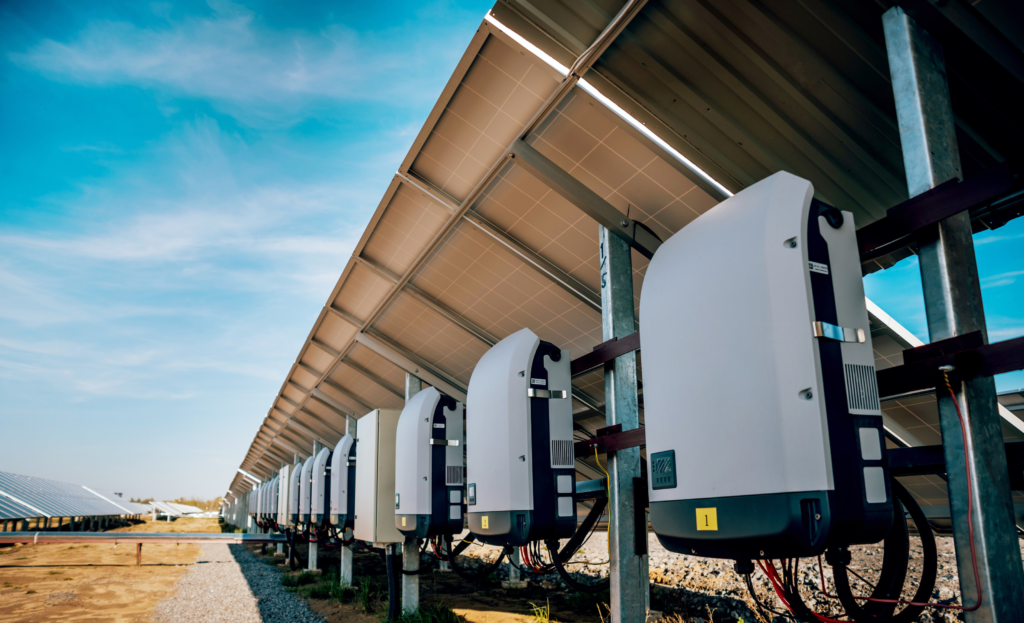
| Power Inverter | A bi-directional power device/system converting DC to AC or AC to DC (including microinverters, string, central, and hybrid inverters) that contains components enabling remote communication, control, sensing, or data collection (Wi-Fi, cellular, Bluetooth, etc.). |
| Advanced Robotic Device | A mechanical mobile device (humanoid, quadruped, etc.) over 4.4 lbs capable of locomotion and obstacle avoidance. It must operate at a distance from a human and contain sensors, network connectivity (at least 200 kbps), and software for autonomous navigation or control. |
| Foreign-Produced | Any article that does not qualify as a “domestic end product” as defined in 48 CFR § 25.101(a). This is a country-neutral designation based on production location rather than entity nationality. |
Exemptions from Covered Status
Several categories of activity fall outside the restriction entirely, independent of the Conditional Approval process:
- Existing authorized models: Devices that received FCC equipment authorization before the update may continue to be imported, marketed, and sold.
- Consumer use: Continued use of previously purchased devices is unrestricted, regardless of when or where they were bought.
- Software/firmware updates: A rules waiver permits already-authorized “covered” devices to receive basic software and firmware updates to maintain usability.
- Federal government sales: Importation, marketing, or sale to the U.S. federal government or its agencies is entirely exempt from these FCC restrictions.
- Development and testing imports: Small batches of unauthorized devices may be imported solely for product development or testing purposes, provided they are not marketed or sold, consistent with 47 CFR § 2.1204(a)(3).
- Producing entity is not itself “covered”: An entity that manufactures power inverters or advanced robotic devices in a foreign country is not, by virtue of that fact, considered “identified on the Covered List.” Only the specific device is covered equipment — the producer’s status as a company is unaffected.
The Conditional Approval Process
Producers seeking an exemption from the Covered List must undergo an individualized assessment of “unacceptable risks.”
Who Can Apply
Any entity involved in producing the device may apply for Conditional Approval — this includes the manufacturer, the OEM that designs the device, or a service provider that purchases the devices for resale or deployment. Applications may also be filed at the entity level to cover multiple models or an entire class of devices, rather than a single product.
Submission Requirements
Applications must be submitted in a machine-readable PDF to conditional-approvals@fcc.gov by January 1, 2028. The application requires:
- Corporate Structure: Full disclosure of ownership, beneficial owners (5% or more equity), board members’ nationalities, and any foreign government influence or financing.
- Manufacturing and Supply Chain Disclosure:
- Detailed Bill of Materials (BOM).
- Country of origin for all components, design, and software/firmware.
- Quantitative assessment of supply chain concentration by country.
- Identification of single points of failure and contingency plans for sole-source suppliers.
- U.S. Manufacturing and Onshoring Plan:
- A detailed, time-bound plan to establish or expand U.S. manufacturing.
- Quarterly status updates provided by a dedicated U.S. point of contact.
- Descriptions of planned capital expenditures, hiring targets, and facility expansions over the next 1–5 years.
Compliance and Oversight
- Certification: An authorized corporate officer must certify the accuracy of all information.
- Revocation: Material misrepresentation or violation of terms will result in the immediate termination of the Conditional Approval and a permanent ban on future applications.
- Decision Authority: All decisions by the DoW and DHS are final.
Impact on Operations and Maintenance
| Activity | Status | Notes |
|---|---|---|
| New Model Authorization | Prohibited | New foreign-produced models cannot receive FCC authorization or rely on the Supplier’s Declaration of Conformity (SDoC) process. |
| Existing Models | Permitted | Devices already authorized by the FCC prior to the update may still be imported, sold, and used. |
| Software/Firmware | Permitted | A waiver allows “covered” devices to receive basic software updates to maintain usability. |
| Federal Sales | Exempt | Importation and sale to the U.S. federal government or its agencies are entirely exempt from these FCC restrictions. |
| Development/Testing Imports | Permitted | Small batches of unauthorized devices may be imported solely for product development or testing, not for sale or marketing. |
| Producing Entity Status | Unaffected | A foreign producer of these devices is not itself treated as a “covered” entity — only the specific device model is restricted. |
